Glass vs Plastic for Premium Spirits
In the competitive l
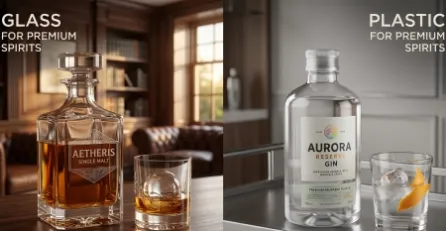
In the competitive luxury beverage sector, the debate surrounding glass vs plastic for premium spirits has reached a definitive conclusion. While plastic containers offer convenience for mass-market segments, luxury distilleries globally continue to mandate high-quality glass packaging to preserve brand integrity, sensory purity, and consumer perception.
The Psychology of Premium Weight
Consumer psychology plays a pivotal role in the spirits industry, where weight is instinctively equated with luxury. Glass bottles, particularly those engineered with thick, heavy bases, provide a substantial hand-feel that plastic (PET) simply cannot replicate. This tactile feedback justifies premium pricing on the retail shelf and elevates the unboxing experience for high-end whiskies, cognacs, and vodkas.
Chemical Inertness and Taste Preservation
From a technical standpoint, glass remains the gold standard for alcohol storage. Alcohol acts as a solvent; unlike plastic, which can degrade or leach chemicals over time when exposed to high-proof ethanol, lead-free glass is entirely chemically inert. This absolute barrier ensures that the spirit's complex aroma and flavour profile remain perfectly uncompromised during decades of aging.
Visual Purity and “Super Flint” Clarity
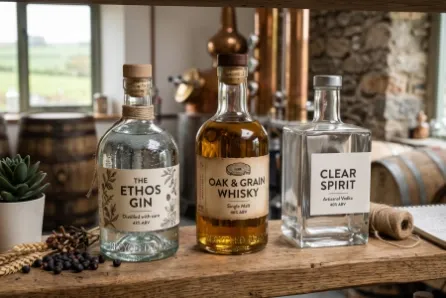
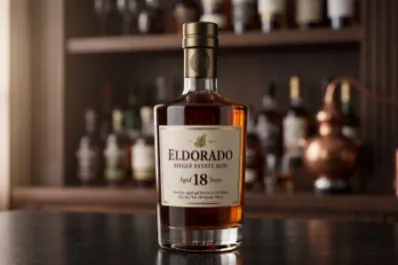
Luxury spirits rely heavily on visual appeal. The natural golden hue of an aged rum or the crystal clarity of a premium gin requires a canvas of absolute purity. High-end glass manufacturers like VetroPuro utilize Super Flint glass to achieve a light transmission rate exceeding 92%. Plastic packaging lacks this optical brilliance and is prone to scuffing and clouding, which diminishes shelf presence.
Sustainability and Premium Branding
Modern consumers demand ecological responsibility without sacrificing luxury. Glass is a 100% infinitely recyclable material, aligning perfectly with the sustainability goals of premium brands. Furthermore, glass supports advanced decoration techniques—such as acid frosting, hot foil stamping, and custom embossing—allowing brands to forge a unique, permanent identity.