Tactile Luxury: Glass Embossing vs Debossing
In the competitive l
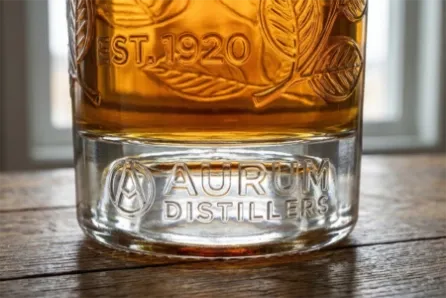
In the competitive landscape of premium spirits and cosmetics, the “hand-feel” of a package is as critical as its visual clarity. As brands move away from traditional paper labels, glass bottle embossing and debossing have emerged as the definitive techniques for creating a permanent, three-dimensional brand identity.
The Art of Raised Relief: Embossing
Embossing creates a “positive relief” where logos or patterns stand out from the glass surface. At VetroPuro, this is achieved by integrating the design into the precision-machined metal moulds. When molten Super Flint glass is injected, it fills these cavities to create a crisp, tactile 3D effect. This technique is favoured by luxury whiskey and cognac brands to convey a sense of heritage and “shelf-presence” that resists wear and moisture.
The Depth of Elegance: Debossing
Conversely, debossing creates a “negative relief,” where the design is recessed into the bottle wall. This provides a sleek, modern aesthetic that is often used for minimalist perfume bottles or high-end mineral water carafes. Because debossing creates a protected “well” for the design, it is frequently combined with hot foil stamping or hand-painting to add a contrasting metallic finish that sits flush with the glass surface.
Technical Accuracy via 3D Modelling
Executing these designs requires extreme precision to maintain structural integrity. Every VetroPuro project undergoes a rigorous “Project Check,” where 2D sketches are converted into high-fidelity 3D CAD models. This ensures that embossed elements do not interfere with high-speed bottling lines or compromise the glass's thermal shock resistance. By choosing the right relief technique, brands can ensure their packaging is not only seen but felt.