The Brilliance of Super Flint Glass
Super Flint Glass &#
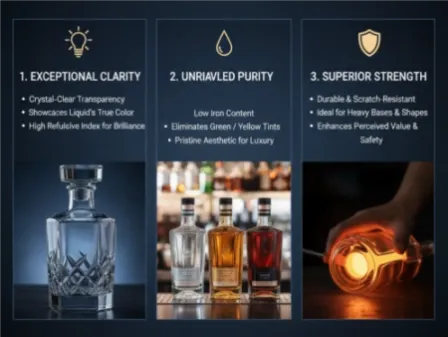
Super Flint Glass – In the world of premium spirits, the vessel is as vital as the liquid it contains. For luxury brands, the material of choice is almost exclusively Super Flint glass. Renowned for its exceptional brilliance, purity, and crystal-like clarity, it has become the global benchmark for high-end vodka, whisky, and cognac packaging.
What Defines Super Flint Glass?
Glass quality is generally categorised into three tiers: Ordinary White, High White, and Super Flint. While ordinary glass often carries a subtle grey or greenish tint, Super Flint is engineered to be virtually colourless.
- Exceptional Transparency: With a light transmission rate often exceeding 91.5%, it provides a level of clarity that ordinary translucent glass cannot match.
- Superior Composition: It is produced using high-purity silica sand with minimal iron content, ensuring a “water-white” appearance that showcases the natural hues of the spirit.
Why the Spirits Industry Chooses Super Flint
For a premium brand, the choice of Super Flint is a strategic decision rooted in consumer psychology and technical performance.
1. Enhanced “Shelf Appeal”
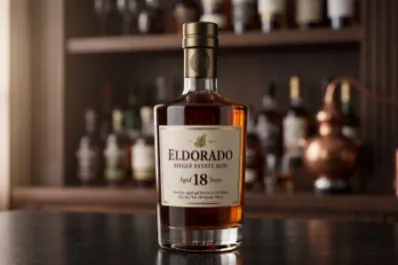
The visual purity of Super Flint glass acts as a magnifying glass for the product. Whether it is the pristine clarity of a premium vodka or the rich, amber tones of an aged rum, this glass ensures the liquid appears vibrant and inviting. Its sparkling finish catches the light on a retail shelf, instantly signalling quality to the consumer.
2. Perceived Value and Weight
Luxury is often associated with substance. Super Flint bottles are typically designed with extra-thick bases (often 20–30mm) and heavier walls. This added weight provides a “premium hand-feel” that justifies a higher price point and reinforces the brand's prestige.
3. Durability and Strength
Despite its delicate, brilliant appearance, Super Flint is remarkably robust. Its chemical composition and the precision of the manufacturing process result in a glass that is highly resistant to impact and thermal shock, ensuring the contents remain protected during international transit.
Comparison of Glass Grades
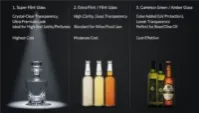
| Feature | Ordinary White | High White | Super Flint |
|---|---|---|---|
| Clarity | Slight tint (green/grey) | Good clarity | Ultra-clear / Brilliant |
| Light Transmission | Standard | High | Maximum (>91.5%) |
| Market Segment | Mass-market / Food | Mid-range Spirits | Luxury / Ultra-Premium |
| Price Point | Economical | Mid-range | Premium |
Conclusion
While Super Flint is the most expensive glass to produce due to the purity of raw materials and complex furnace cycles, the investment is essential for top-tier alcohol brands. It transforms a functional container into a piece of artistry, ensuring that the first impression—the visual and tactile encounter with the bottle—is one of uncompromising luxury.